
Pregnancy-Friendly Workouts in Raleigh – Safe Tips & Myth-Busting Guide
Disclaimer: At Oak + Iron, some of our coaches specialize in pre- and postnatal fitness, but we are not doctors. Our goal is to educate and support you with safe, effective training, but every pregnancy is unique. Be sure to talk with your healthcare provider before making changes to your routine.
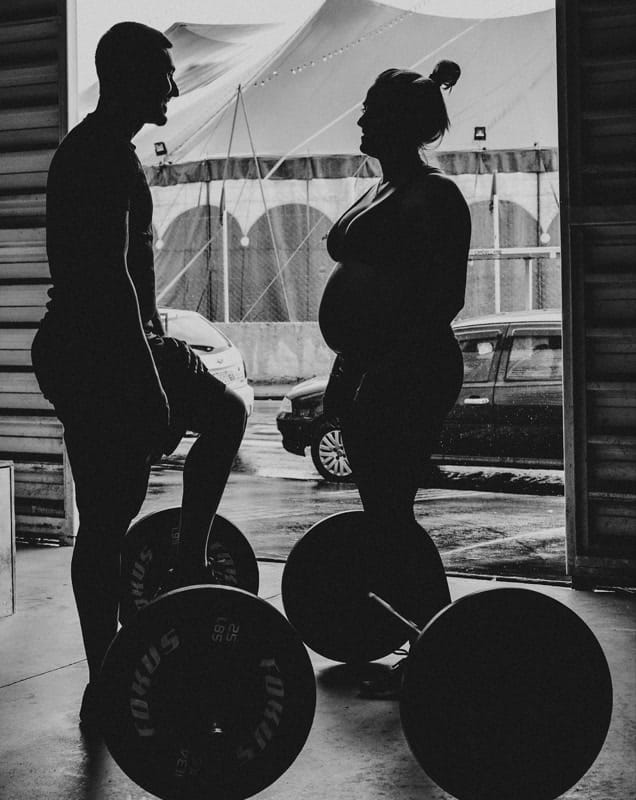
Long gone are the days of pregnant women being told to stop lifting heavy weights. However, there are still many misconceptions that exist regarding strength training during pregnancy.
Exercise during pregnancy is not only safe for most women but also highly beneficial. According to the American College of Obstetricians and Gynecologists, pregnant women should exercise a minimum of 150 minutes of moderate-intensity exercise per week, including strength training.
Benefits of Prenatal Fitness
There are many reasons why strength training during pregnancy can be beneficial:
- Reduces back pain and improves posture
- Supports joint stability as ligaments loosen during pregnancy
- Helps maintain muscle mass for postpartum recovery
- Improves mood and energy levels
- Can support labor endurance
“When I was pregnant, I found all of the above to be true, but the most impactful thing for me was how working out mentally prepared me for labor. I would play little tricks on myself at the gym. For example, if we were doing a 2-minute wall sit, I would remind myself that if I could hold that wall-sit for 2-minutes when I wanted to quit, I could also make it through a contraction during labor.” – Jenna Altman, O+I member
Before we jump into the “how,” let’s take a quick flashback to a common myth that might be holding you back in your pregnancy fitness routine.
Myth: Don’t Lift More Than 15 Pounds
Once upon a time, pregnant women were told: “Don’t lift more than 15 pounds.” Turns out, this recommendation originated from outdated workplace safety guidelines for repetitive manual labor jobs in factories. I mean, lifting a toddler is at least 25–35 pounds alone!
Clearly, this blanket number doesn’t reflect real life. The truth is, the amount of weight you can lift while pregnant depends on several factors, including your pre-pregnancy fitness level, prior experience with strength training, and how your pregnancy is progressing (i.e., any risk factors, pains, or discomforts).
Instead of focusing on an arbitrary number, it’s more important to tune into how your body feels. This brings us to the factors that truly matter for safe, effective pregnancy fitness.
What to Focus on Instead
Here are some key factors to set yourself up for success during your pregnancy:
- Your rate of perceived exertion (RPE)
The goal is moderate intensity. Think enough to feel challenged but still able to hold a casual conversation with your workout partner. This approach helps you avoid overexertion while keeping your workouts effective, whether you’re in our Oak + Iron Raleigh or Cary gym or following a workout program at home.
- Your breath and core control
Learn how to properly engage your core through diaphragmatic breathing. This will make sure you’re avoiding excessive strain on your pelvic floor (which is busy holding up your growing baby!)
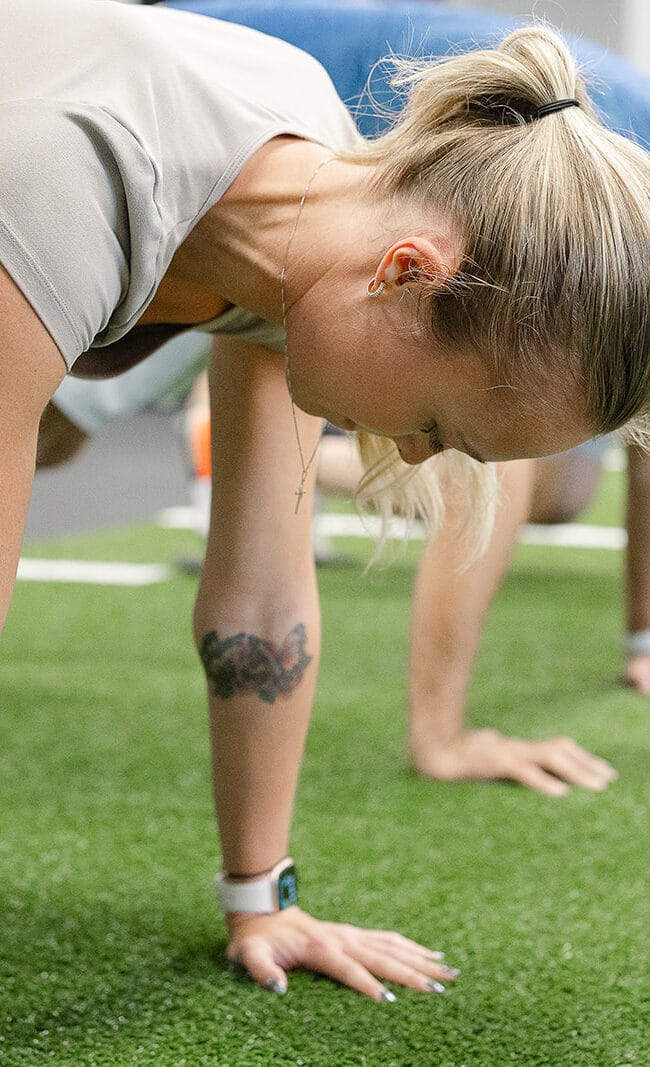
Some of our favorite pregnancy-friendly exercises for core work at Oak + Iron are farmer carries, banded pallof press, bear planks, and modified side planks. While these are specific exercises that focus on core strength, every exercise you do (including squats, deadlifts, overhead press, rows, etc.) should start with a strong diaphragmatic breath to engage your core. This is a great season to let your core be your guide!
- Good form and control
Keep in mind, your body is changing on a weekly, if not on a daily basis. You might start to feel like it’s harder to maintain your balance or get the same range of motion on an exercise because the bump is in the way! This is why it’s crucial to maintain proper form for every exercise you do to continue to create stability as you progress through pregnancy.
- Don’t be afraid to make (or ask for) modifications in your workout
Some things just won’t feel “right” in your body, and that’s ok. Now, more than ever, is the time to really listen to your body. Try regressing the exercise by doing less weight or bodyweight, limiting your range of motion, or skipping the exercise altogether.
Examples include:
- Elevating hands for push-ups
- Subbing out a sit-up for a bird dog
- Widening your stance in your deadlift or squat
- Adjusting your bench for an incline bench press
- Doing bodyweight lunges
Quick Q&A: Strength Training for Pregnancy
- How often should I strength train while pregnant?
For most healthy pregnancies, 2–3 strength-focused workouts per week is effective, combined with 150 minutes of moderate-intensity activity per week, as recommended by the ACOG. - What exercises should I avoid?
Some movements may require modification as your pregnancy progresses, including:
- Core flexion exercises without proper core engagement (think crunches, sit-ups), which increase intra-abdominal pressure
- Heavy lifts without proper core engagement
- Exercises that feel unstable or painful
- What signs should make me stop exercising and call my doctor?
Stop exercising and seek medical advice if you experience:
- Vaginal bleeding or fluid leakage
- Dizziness, fainting, or chest pain
- Persistent abdominal pain
- Sudden swelling or shortness of breath
- Can I do squats, deadlifts, or other heavy lifts?
Yes, with modifications as needed and good form. Adjust stance, reduce weight, or use supports (like a box) as needed. - Can exercise help with labor and postpartum recovery?
Absolutely. Strength training improves endurance, joint stability, and core strength, all of which can support labor and recovery after birth. It also helps maintain overall fitness and mood during pregnancy.
Coach’s Corner
We asked our coaches who have worked out while pregnant, and here’s what they said:
“I was fortunate enough to feel good throughout my whole pregnancy and trained the whole time. Many days that looked like a full LIFT class at Oak and Iron and some days it looked like one set of goblet squats in my garage with a 20 minute “cool down.” (Lol). I just made sure to move every day. Walking was my best friend! I really listened to my body and on days when rest truly sounded more appealing – that’s what I did!” – Coach Melody
“Slowing down is hard for me but when pregnant you have to think long term vs short term… slowing movements down, dropping weight, and focusing on form paired with breathing is key. This helped me in labor, in postpartum, as well as helped me get back into the gym. Pairing weight lifting with walking was key for me physically and mentally.” – Coach Katherine
Final Thoughts
Your exercise routine might look and feel different during pregnancy, and that’s normal. Every pregnancy is different, and so is every exercise journey. Some women feel strong and active throughout, while others may need time off or choose alternative forms of movement. All experiences are valid.
Regardless, pregnancy can be a great time to continue to take care of your body and your growing baby through movement! By focusing on effort, breath, form, and modifications, you can maintain strength safely and confidently.